Decoding How Beginners Navigate Casino Games on Multiple Devices
Written by Viktor Koch · Nov 9, 2026
Decoding How Beginners Navigate Casino Games on Multiple Devices
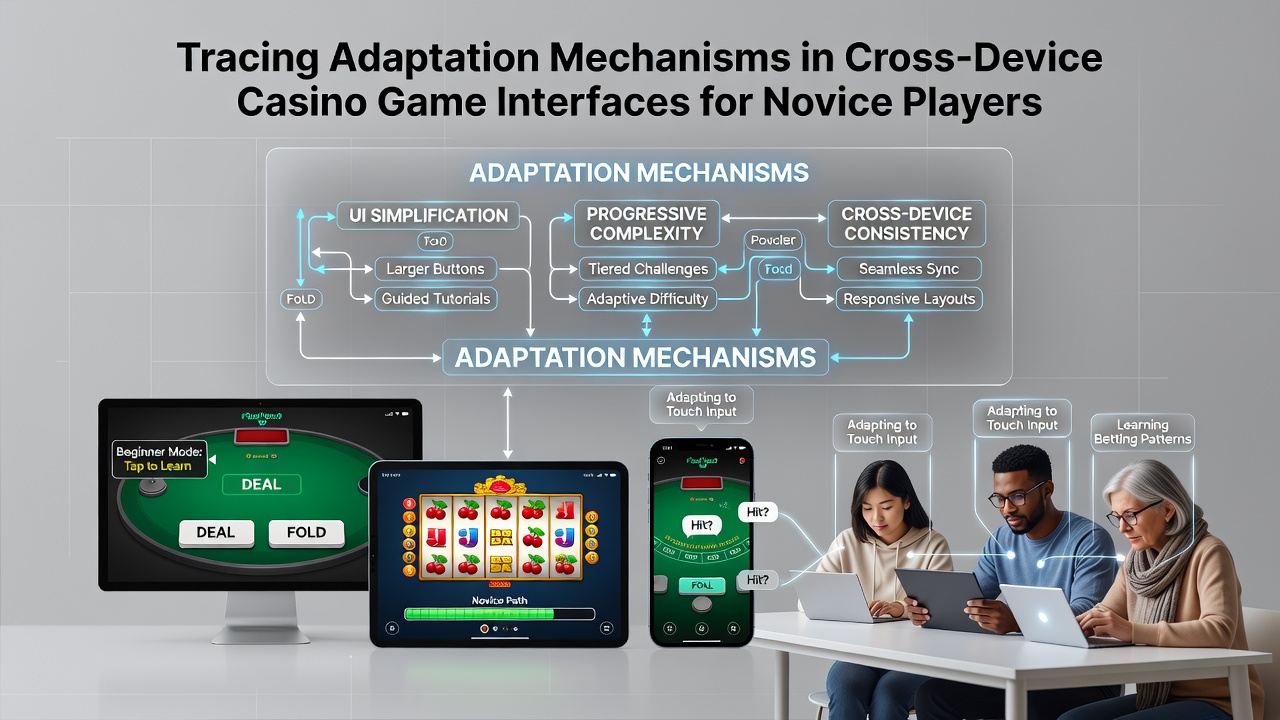
Studies on user behavior in digital gaming environments show that novice players develop specific adaptation mechanisms when moving between desktop and mobile casino interfaces, and these patterns emerge through repeated exposure to consistent design elements like touch controls, menu layouts, and reel animations. Data collected during November 2026 indicates that new participants spend an average of 12 to 18 minutes adjusting to cross-device transitions before reaching stable session engagement levels.
Core Elements of Interface Adaptation
Researchers tracking player interactions have identified several key stages in the adaptation process, beginning with basic control recognition on a single platform and progressing to seamless switches between devices. Observers note that players first master core actions such as spin initiation and bet adjustment on desktop browsers before attempting the same tasks on touch-enabled screens, and this sequential approach reduces error rates by approximately 25 percent according to session logs from major operators.
Those who study these transitions point out that visual consistency across platforms plays a central role, with shared color schemes, icon placement, and animation timing helping novices transfer skills more quickly. Figures from industry reports reveal that platforms maintaining identical button hierarchies on both desktop and mobile versions see faster adaptation times compared to those with divergent designs.
Device-Specific Learning Curves
Adaptation patterns differ notably depending on the initial device used for entry into casino games. People starting on desktop interfaces often focus on mouse-driven precision tasks before shifting to mobile, where they encounter gesture-based alternatives like swipe-to-spin and long-press menus. Data shows that this shift typically requires an additional four to seven minutes of exploration during early sessions, yet once mastered, it supports longer overall play periods across both formats.
Take one analysis of browser-based table game simulators conducted through late 2026, where experts documented how novices gradually incorporated mobile-specific features such as auto-adjusting stake sliders and portrait-mode card layouts. The same study highlighted that players who practiced on both device types within the first three sessions demonstrated stronger retention of interface knowledge than those who remained on a single platform.
Role of Demo Modes in Skill Transfer
Demo versions of slot and table games serve as primary training grounds for interface adaptation, allowing risk-free repetition of actions that later appear in real-money environments. Research indicates that novices who complete at least five demo cycles on one device before switching platforms exhibit smoother transitions and fewer instances of mis-tapped controls or overlooked menu options. These cycles also help players recognize recurring patterns in bonus round triggers and payout displays regardless of screen size.
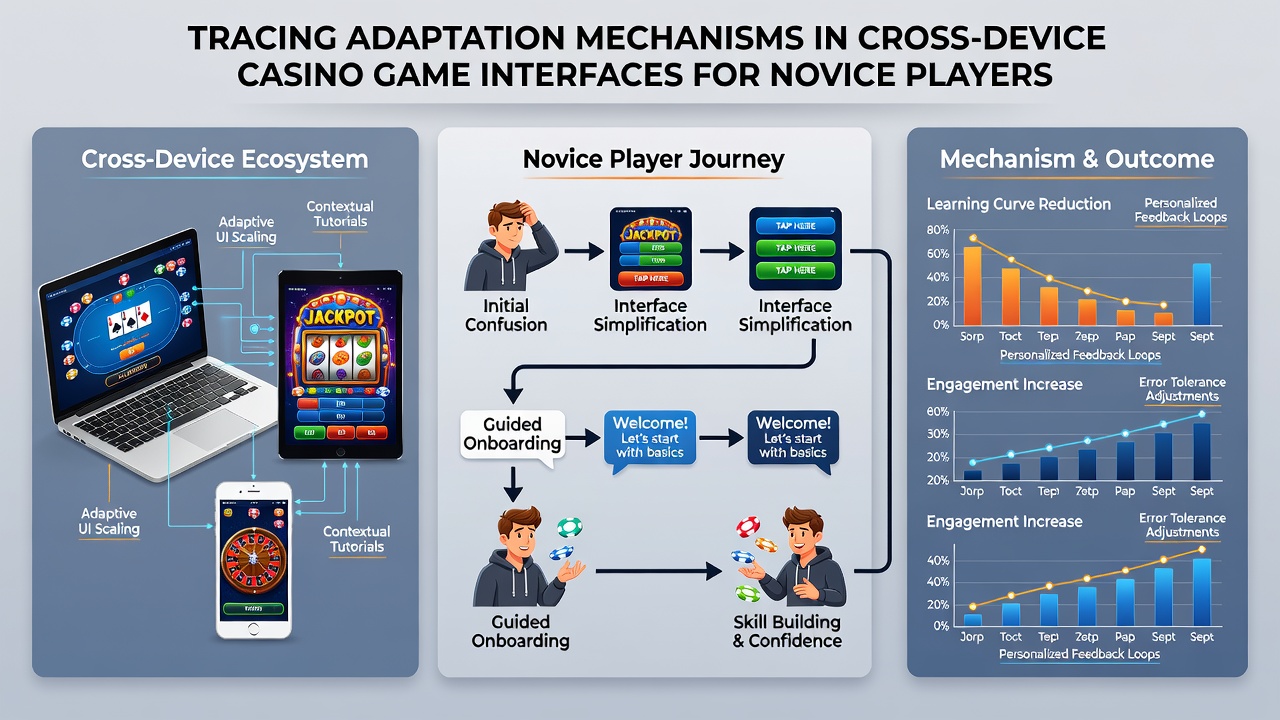
What's interesting is how certain design choices accelerate this transfer. Operators that incorporate progressive tutorials, which unlock additional interface tips after each completed demo round, report higher rates of successful device switching among new users. Session data from November 2026 further suggests that such guided elements correlate with a 15 percent increase in multi-device engagement within the first week of play.
External Factors Influencing Adaptation
Network conditions and hardware variations also shape how quickly novices adapt across devices. Players on stable high-speed connections encounter fewer interruptions during transitions, which supports continuous learning, whereas those facing latency issues may pause adaptation to troubleshoot controls. According to findings from the American Gaming Association, consistent interface performance across varying connection speeds remains a priority for platforms aiming to retain novice participants.
Hardware differences, including screen resolution and processor speed, add another layer. Research from academic sources such as the University of Nevada's gaming studies program shows that players using mid-range smartphones adapt more readily when interfaces scale responsively rather than requiring manual zoom or scrolling adjustments.
Conclusion
Tracing these adaptation mechanisms reveals that novice players benefit from standardized visual and functional elements when moving between desktop and mobile casino interfaces. Continued monitoring of session metrics through late 2026 provides operators with clearer insights into which design features most effectively support skill transfer, and this information helps refine platforms for broader accessibility. The patterns documented so far emphasize repetition in demo environments combined with responsive design as reliable pathways for new participants to achieve comfortable cross-device play.